Mixed-curvature windscreens are rarely shipped as flat sheets with predictable contact points. Their compound curves, thin edges, coatings, and fragile perimeter zones make every handling step a potential source of chipping, micro-cracking, and costly rework. In transit, the real enemy is not simply impact. It is uncontrolled relative movement: a divider that touches only the crown of a curved glass, a restraint that pinches the edge, or a stillage that flexes under braking and lets the load settle into a harder contact point.
At Shanghai Betis Logistics Equipment Co., Ltd., we spend much of our time thinking about how metal containers, stillages, and racks behave when they are loaded, moved, stacked, and returned. Windscreen logistics brings those questions into sharp focus. A good divider design is not a wall between parts. It is a controlled interface that supports the glass where it is strong, protects the edge where it is weak, and keeps every unit in the same position from the packing station to the assembly line.
Glass edges are vulnerable because they concentrate stress. A small nick or abrasion zone can become a crack initiation point when the windscreen is lifted, stacked, or exposed to vibration. In a mixed-curvature pack, the problem is compounded by part-to-part variation. Two windscreens that look similar may have different curvature at the corners, different coating thickness, or different edge profiles after the same production process.
Most transit damage falls into a few repeatable patterns:
A flat partition is easy to draw and easy to build. It is also the fastest way to create a single contact point on a compound-curved windscreen. The glass may survive the first trip, but repeated loading and unloading can leave a polished wear mark that becomes a reject at final inspection. For mixed-curvature production, the divider must either conform to the glass or be positioned so that contact occurs only at approved, padded support zones.
The most reliable starting point is not the steel frame. It is the glass itself. Before selecting a stillage or container, build a part-family map that records curvature, overall dimensions, centre of gravity, edge profile, coating, and any fragile zones defined by the glass supplier. This map should distinguish between parts that can share a fixture and parts that require a dedicated setting.
When a standard stillage cannot provide the right contact pattern, the internal dunnage should be treated as part of the fixture design, not as an accessory. The frame, support posts, divider rails, and replaceable pads should work together as one system. That is the approach we apply to custom automotive storage and handling projects, where the container is built around the part rather than adapted after the fact.
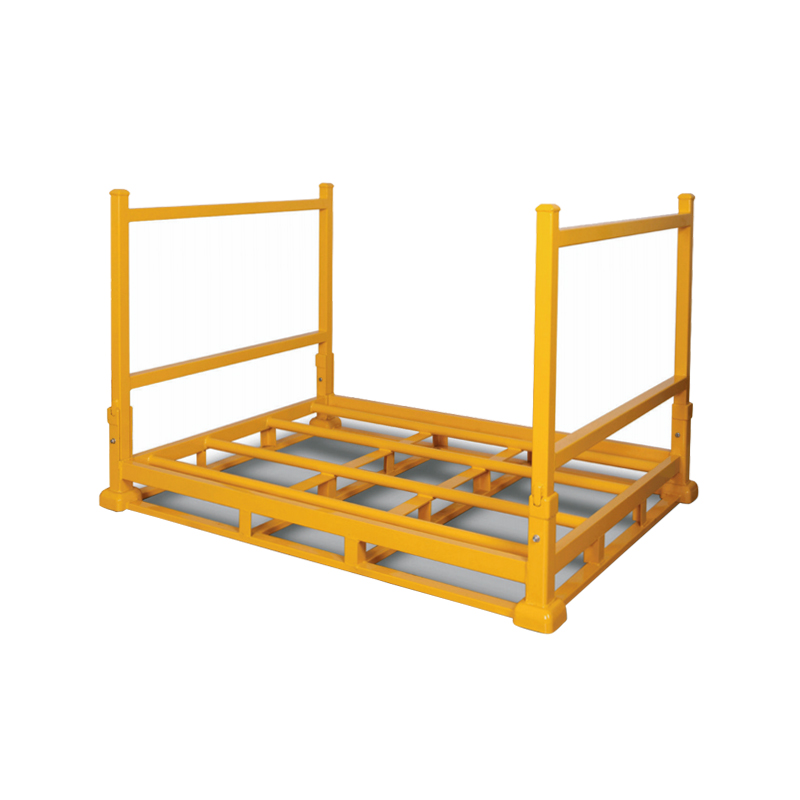
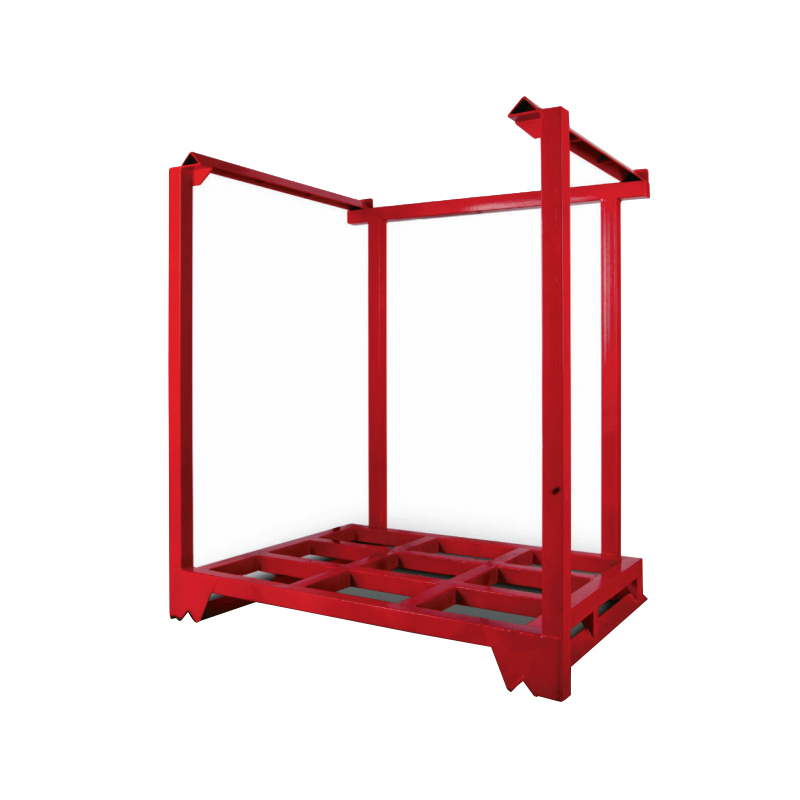
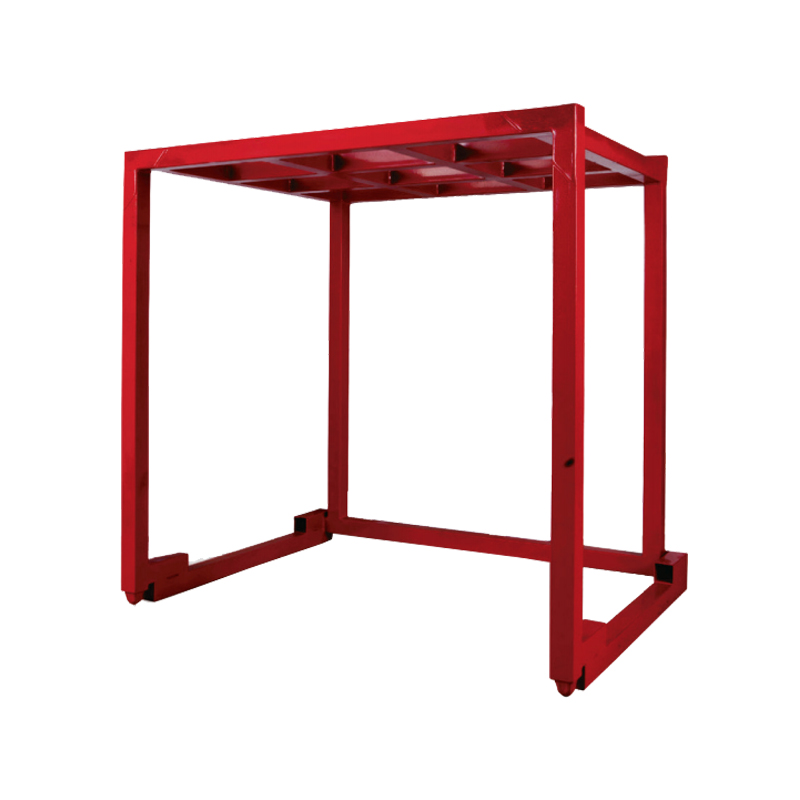
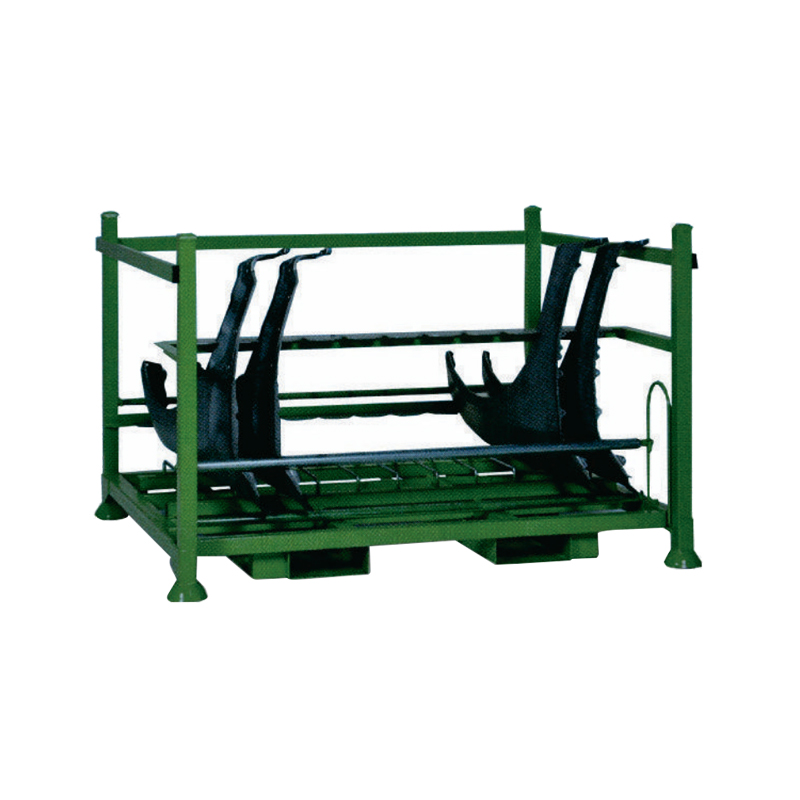 Metal Stillages for Automotive Door Frames and Stamping PartsSteel stillages with reinforced frames, support bars, and adjustable shelving for storing and transporting door frames, bumpers, and stamping components; stackable and open for access.View Product →
Divider design should separate parts without creating a hard line of contact across the glass face. In practice, this means using segmented pads, adjustable vertical dividers, shaped support blocks, or replaceable foam profiles that follow the approved contact zones. The divider should prevent lateral contact and still leave a controlled gap for loading and unloading.
A useful rule is to separate primary support from separation. The primary support carries the windscreen and controls its position. The divider provides separation and secondary restraint. When one component tries to do both jobs, it usually becomes over-built, difficult to adjust, and harder to inspect. For high-volume single-part routes, a fixed foam-faced divider can be very effective. For mixed-curvature production, adjustable slotted posts and indexed divider positions are more practical, provided the settings are locked and checked.
| Approach | Best use | Edge protection | Watch-outs |
|---|---|---|---|
| Fixed foam-faced dividers | High-volume, single-curvature families | High when pads are shaped and replaceable | Poor flexibility for mixed parts |
| Adjustable slotted dividers | Mixed-curvature families with planned settings | High if positions are locked and verified | Settings can drift without a setup jig |
| Shaped EPP or vacuum-form trays | Complex geometry and high-value finishes | Very high through full-surface support | Tooling cost and return volume |
| Dunnage bags or foam spacers | Filling residual gaps in mixed loads | Medium to high when pressure is controlled | Over-inflation and reusable bag inspection |
| Padded straps and locking bars | Primary and secondary restraint | Medium; depends on pad condition and routing | Over-tension and contact with unprotected edges |
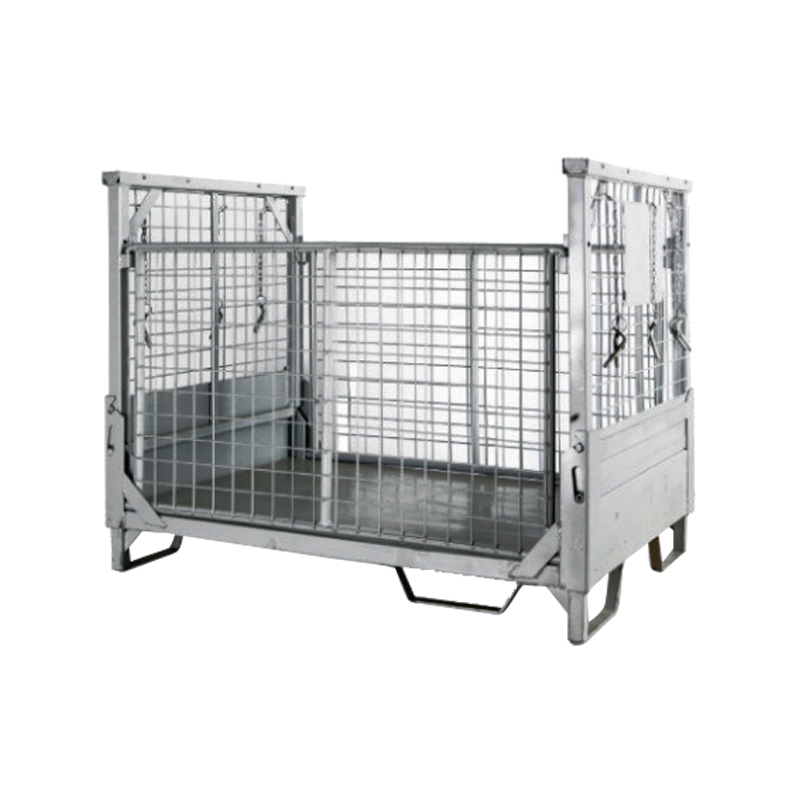
| Solid-sided or lined stillages | Returnable transport with custom internal dunnage | High when liners and pads are maintained | Liner wear, cleaning, and moisture control |
Restraint should control movement, not squeeze the glass into submission. A well-designed system uses form-fit support and positive stops to limit motion, then adds straps or locking bars as a secondary measure. The restraint force should be calculated against the actual transport loads: braking, cornering, inclines, lift-truck handling, and the vibration profile of the route. It should also account for foam compression and tolerance stack-up.
For special windscreen shapes or low-volume programmes, a custom internal fixture is often the most economical route because it reduces packaging labour and repeat damage. Our special logistics apparatus range is built around that principle: the container provides the handling envelope, while the internal supports are engineered for the part.
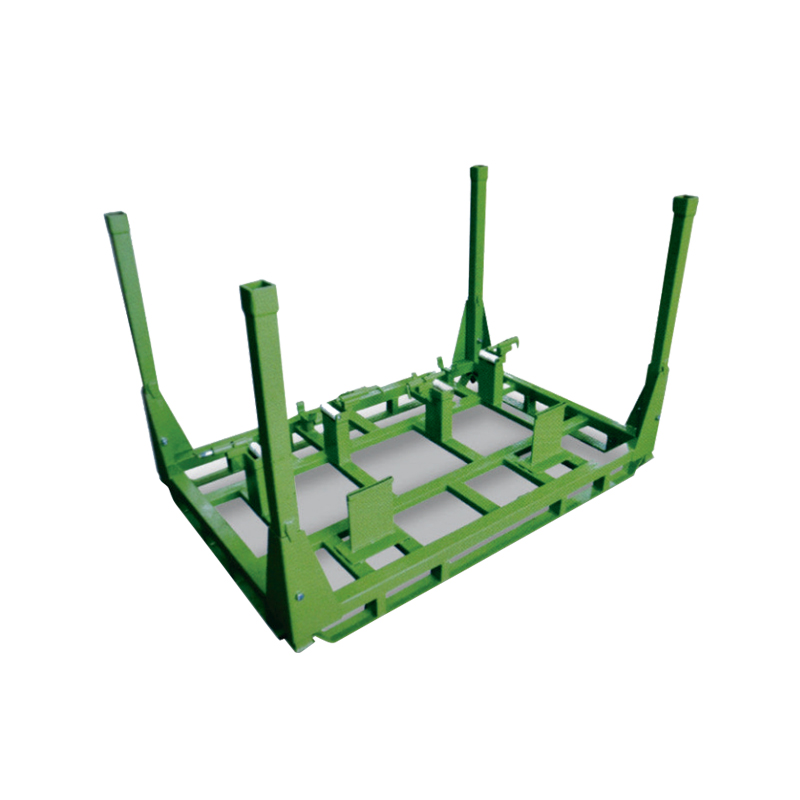
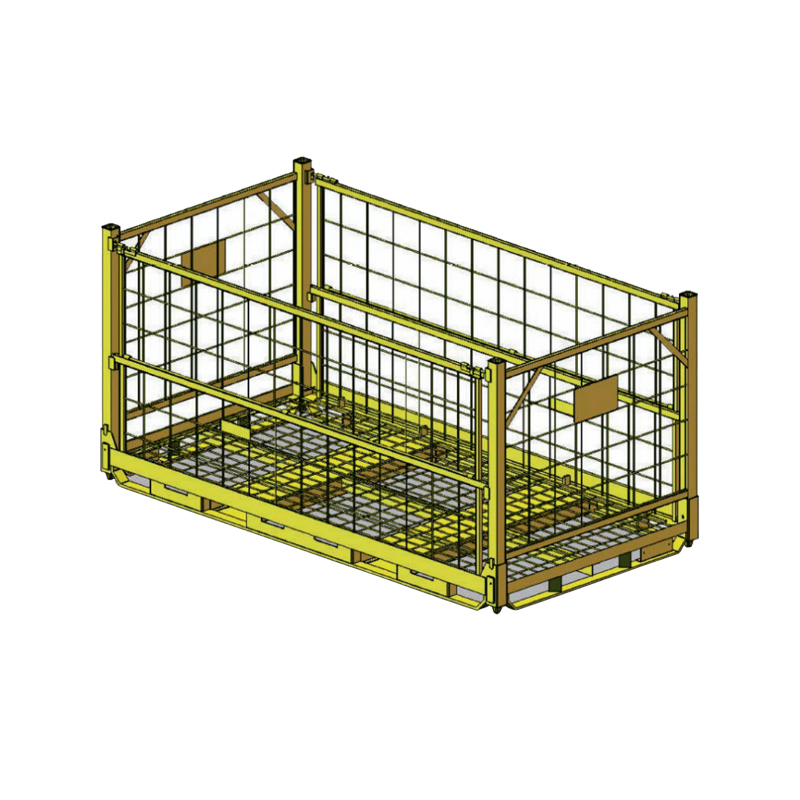
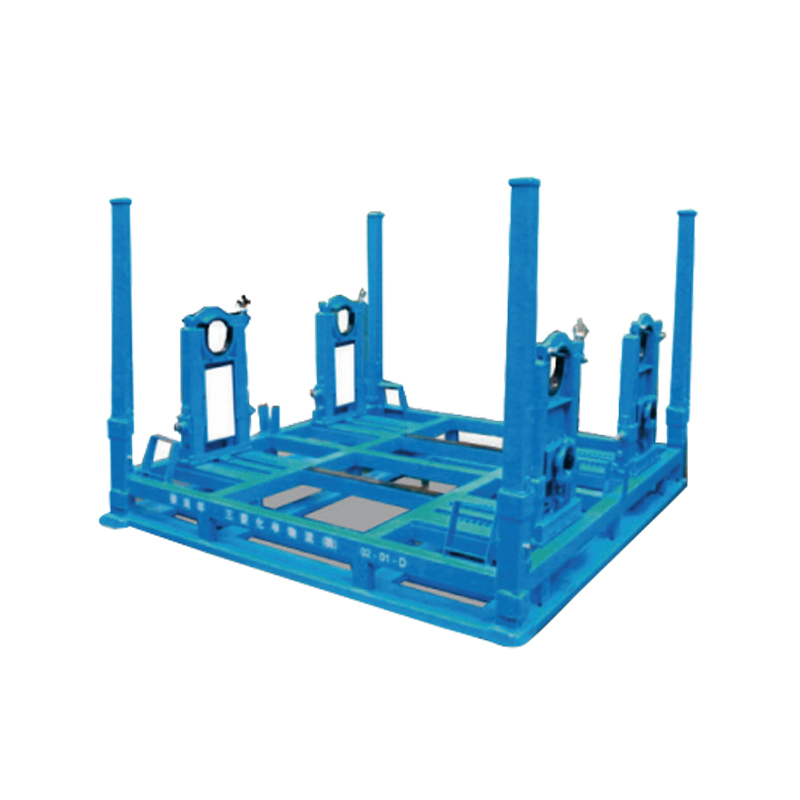 Special Logistics Apparatus for Automotive Components and Auto GlassSpecialized stillages and racks for dashboards, auto glass, shafts, and tyres, with cushioned supports and securing mechanisms for safer handling and protection in transit.View Product →
The outer stillage matters as much as the divider. A frame that deflects under load can change the contact pressure inside the pack. Check the base structure, corner posts, stacking feet, and caster mounting points under the actual load. If the stillage is stackable, confirm that the upper unit does not transfer load into the windscreen pack. If it is foldable, make sure the folding joints do not create pinch points or loose clearances when the container is in service.
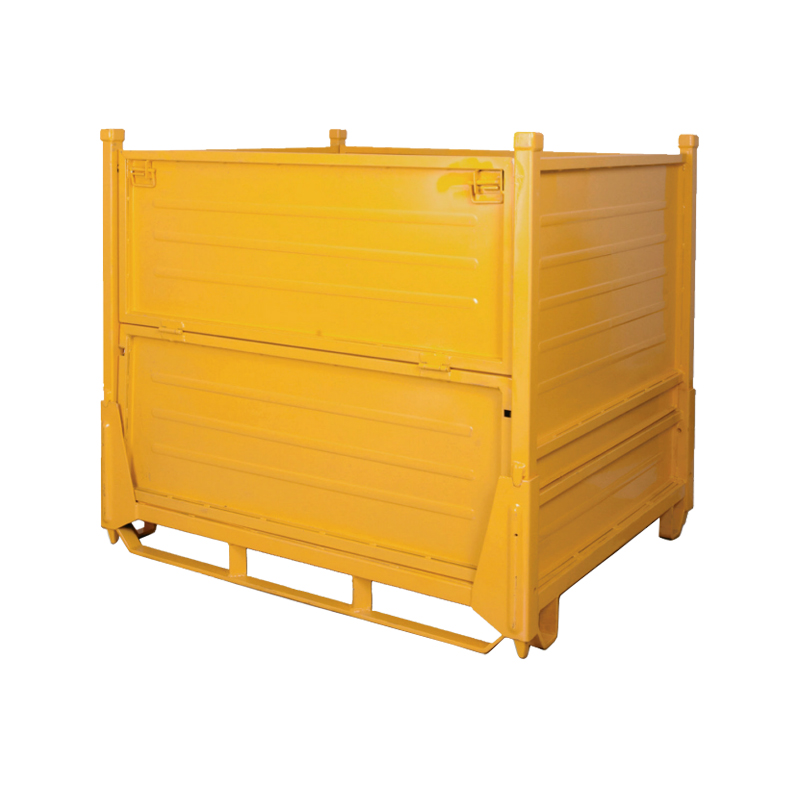
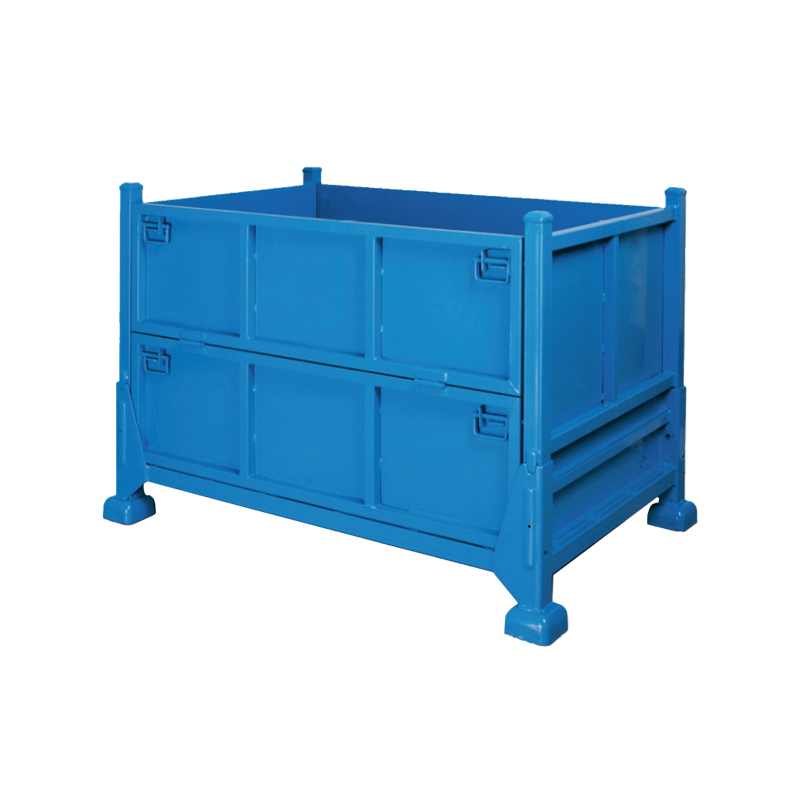
For return logistics, foldable steel stillages and solid-sided containers can reduce empty transport volume, but they need a defined inspection routine. Replace worn foam, check locking pins, and confirm that removable dividers return to the correct position. Moisture control also deserves attention. A sealed container that traps condensation can create staining or coating issues even when the mechanical restraint is correct. Ventilation, drainage, and clean, dry contact materials are part of edge protection.
A design that looks good on a drawing should be tested as a transport system. Use the following checks before releasing a mixed-curvature windscreen pack:
Inspection should be practical. Look for compressed foam, torn liners, loose locking pins, bent stops, and polished marks on the glass contact zones. Replace wear parts before they become glass-contact parts. Record the divider settings for each part family and keep a reference sample at the packing station.
Before ordering or rebuilding a mixed-curvature windscreen stillage, align the glass supplier, packaging engineer, logistics team, and line-side operators around one checklist: part-family map completed; safe contact zones marked; edge never used as a locating surface; dividers adjustable but locked; contact materials glass-safe and replaceable; restraint force controlled and routed away from edges; frame deflection checked under load; empty return and cleaning considered; inspection points defined; and loading instructions visible at the station.
If you are reviewing your current windscreen packaging, start with the parts that generate the most edge rejects. Compare the divider positions with the actual curvature and check whether the restraint is holding the glass or simply squeezing it. For broader guidance on automotive parts handling, explore our automotive parts handling solutions, or contact our team to discuss a custom stillage and dunnage design for your mixed-curvature programme.
Copyright © 2024 Shanghai Betis Logistics Equipment Co., Ltd. All Rights Reserved.